

How we actually built a better UV lamp
We spent 15 years playing the OEM game before we finally decided to build our own line of UV germicidal lamps. The goal wasn’t fancy. We just wanted the kind of power and lifespan you get from the big-name international brands, but without the ridiculous price tag.
The science of saving power
Here’s the thing about most industrial UV lamps: they waste a ton of energy as heat. It’s inefficient. We spent a lot of time messing with the gas mixtures and the shape of the electrodes to push the output toward that 253.7nm peak. That’s the sweet spot that actually breaks down the DNA of germs. By tweaking the filament, we managed to keep the plasma arc steady while pulling less current. You still get the same punch—the same microwatt output per centimeter—but your power bill doesn’t take a hit.
What it’s made of
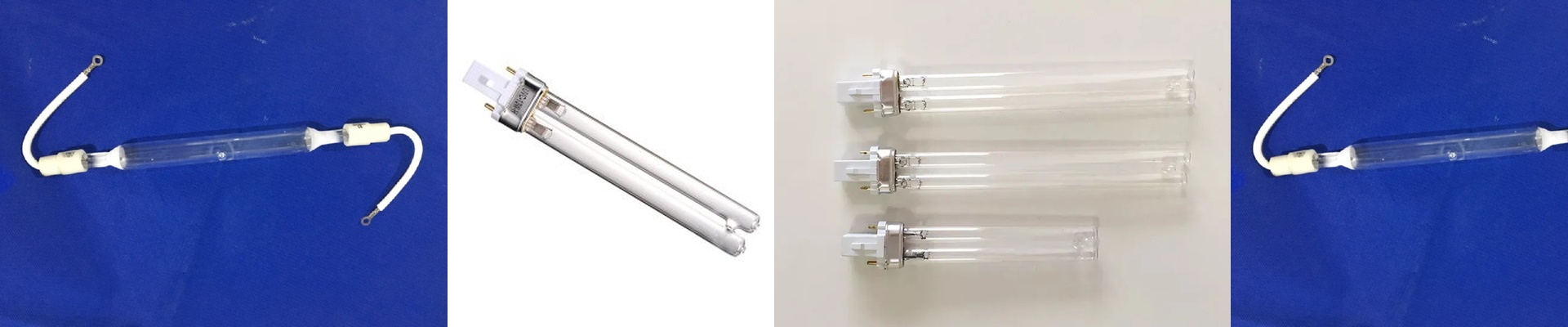
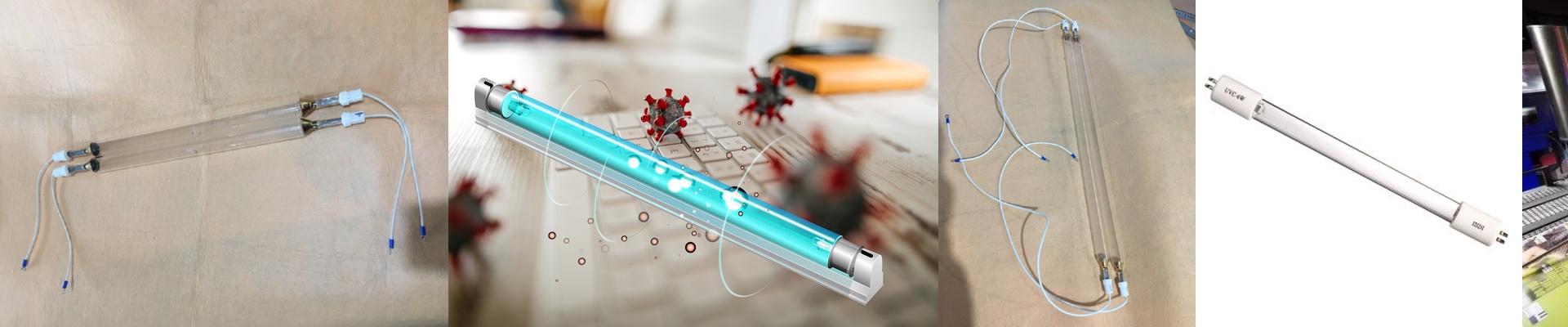
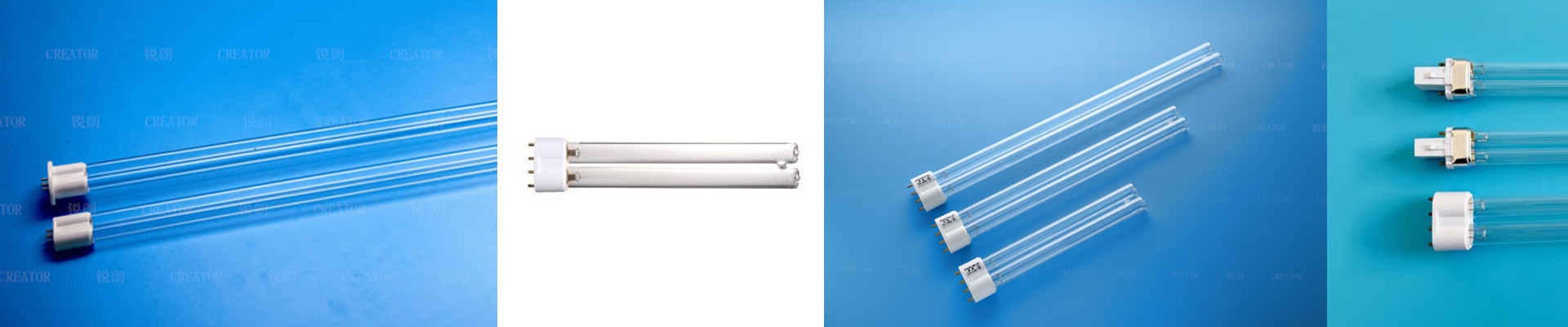
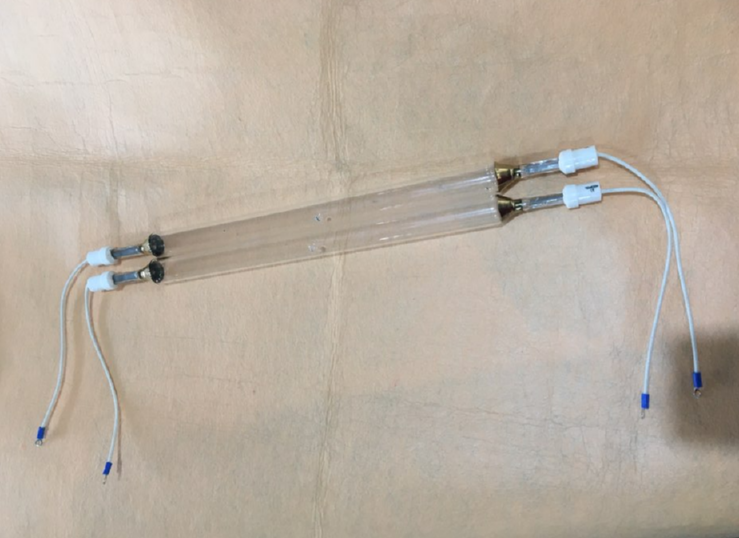
We use high-purity synthetic quartz for the outer shell. Standard glass is a no-go because it blocks UVC; quartz lets it fly right through. We also tightened up the wall thickness. Why? Because it stops the glass from bowing when things get hot. Then there are the electrodes. These are usually where lamps die. You’ve probably seen those lamps that “black out” at the ends—that’s called sputtering. We use a special coating to stop that from happening. If you’re running these in a humid shop or a damp warehouse, you’ll notice they just keep humming along while the cheap generic ones give up.
The real-world stuff
We made these as drop-in replacements. The pins are standardized, so you can swap them into your existing ballast systems and get back to work quickly. No headaches. But I want to be honest about one thing. High-intensity UVC can create ozone if the quartz isn’t handled right. If you’re putting these in a tiny room or a tight space without any air moving,you need exhaust fans. Seriously. If the ozone builds up, it doesn’t just smell—it can actually eat away at the lamp’s surface over time. Keep the air moving, and you’re golden.