
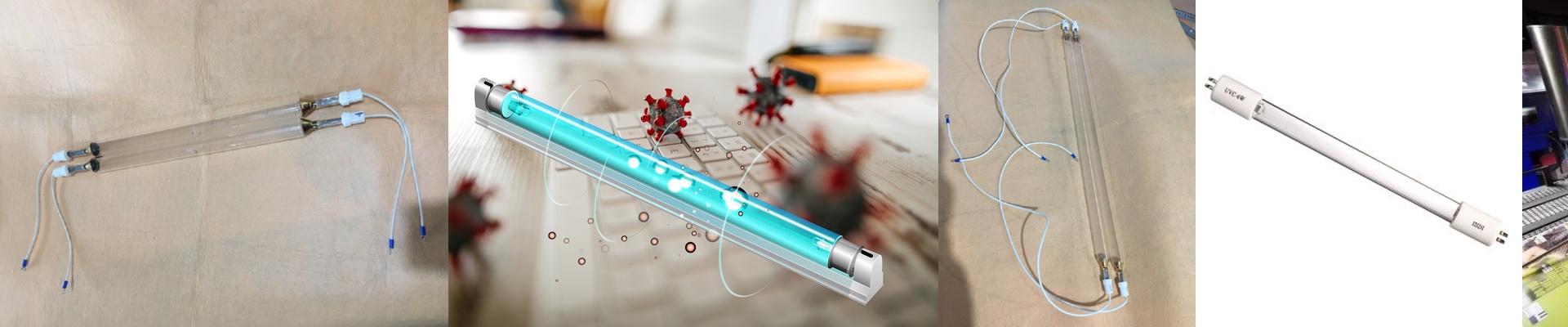
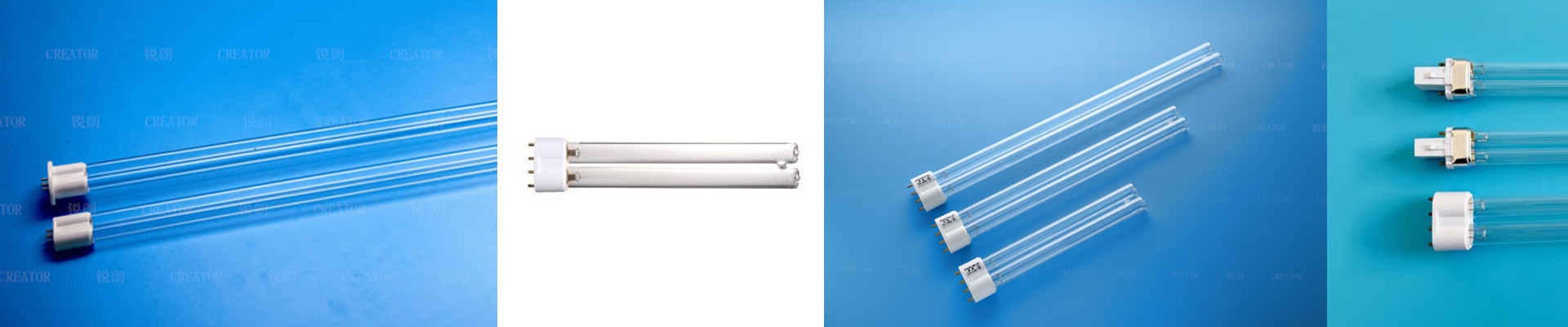
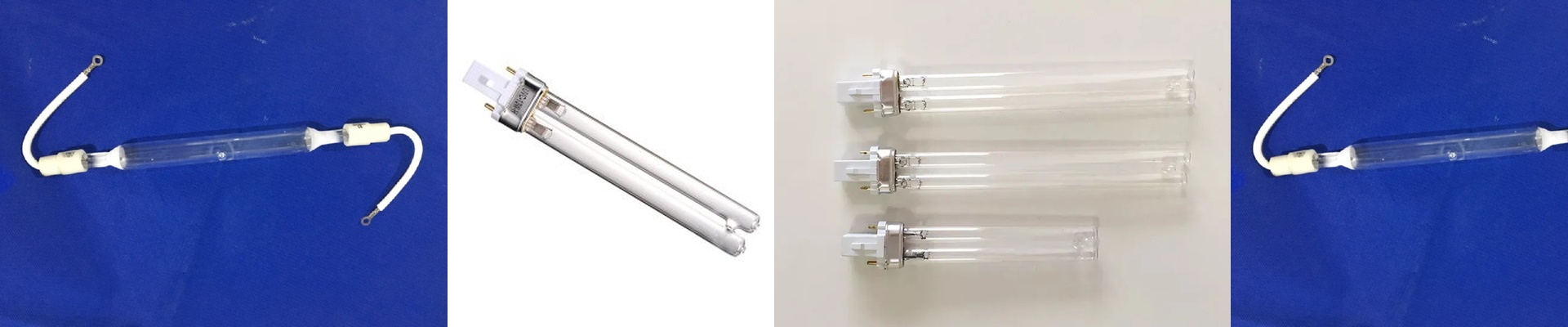

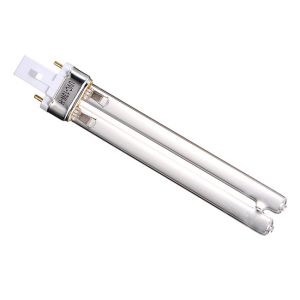
Out on the plant floor, that UV germicidal lamp in the central air system isn’t just another bulb. It’s the front line for keeping microbial load in check and protecting airflow. When it fires up, the color temperature you see is a straight read on what’s happening inside the quartz arc tube. Get it wrong and you’re under-dosing microbes, burning energy, and swapping lamps way too soon. What matters, technically We’re after stable, ozone-free 254nm output. The visible color temperature ties directly to the fill gas and mercury vapor pressure. A clean, bluish-white tells you the mercury is vaporizing right and the inert gas mix is on target. A dim pink or orange is a red flag—impurities, not enough mercury, or fill gas that’s too heavy. In practice, pair that visual with a spectral radiometer: confirm irradiance at 254nm hits the dose you need for the airflow rate, and check that peak irradiance holds steady through warm-up. Here’s why it works in central air systems. Consistent germicidal performance keeps coils clean and pressure drop stable, so the system runs at design airflow. Match lamp output to air velocity and dwell time, and you get repeatable microbial kill without chasing intermittent failures. Expect output to stay stable for thousands of hours, with minimal drop-off, so maintenance stays predictable and energy draw doesn’t wander. A couple of practical notes. Mount orientation matters. Only run the lamp horizontally if the arc tube geometry is built for it; otherwise gravity shifts the mercury pool and throws off the spectral output. And make sure the ballast is compatible—voltage and current profiles have to match. If they don’t, the lamp will cycle and you’ll shorten its life. Double-check connector type and socket rating before you install.
อยู่ในพื้นที่โรงงาน หลอดไฟ UV ฆ่าเชื้อในระบบปรับอากาศส่วนกลางนี้ไม่ใช่แค่หลอดไฟธรรมดา แต่มันคือแนวหน้าในการควบคุมปริมาณจุลินทรีย์และปกป้องการไหลของอากาศ เมื่อเปิดใช้งาน อุณหภูมิสีที่เห็นจะสะท้อนสถานะภายในท่อควอตซ์ หากอ่านค่าไม่ถูกต้อง คุณจะให้ปริมาณรังสีไม่พอสำหรับฆ่าเชื้อ ใช้พลังงานมากเกินไป และต้องเปลี่ยนหลอดไฟบ่อยเกินความจำเป็น
สิ่งที่สำคัญในเชิงเทคนิค
เราต้องการผลลัพธ์ที่เสถียร ไม่มีโอโซน ที่ความยาวคลื่น 254nm อุณหภูมิสีที่มองเห็นสัมพันธ์โดยตรงกับก๊าซเติมและความดันไอปรอท สีขาวอมฟ้าสะอาดบอกว่าปรอทกำลังระเหยอย่างถูกต้องและส่วนผสมก๊าซเฉื่อยอยู่ในระดับที่เหมาะสม สีชมพูหรือส้มจางเป็นสัญญาณเตือนว่ามีสิ่งเจือปน ปรอทไม่พอ หรือก๊าซเติมมีความหนาแน่นสูงเกินไป ในทางปฏิบัติ ควรใช้ร่วมกับเครื่องวัดสเปกตรัมรังสี เพื่อตรวจสอบว่าความเข้มรังสีที่ 254nm ถึงปริมาณที่ต้องการตามอัตราการไหลของอากาศ และตรวจสอบว่าความเข้มสูงสุดคงที่ตลอดช่วงการอุ่นเครื่อง
นี่คือเหตุผลที่ทำงานได้ดีในระบบปรับอากาศส่วนกลาง
ประสิทธิภาพการฆ่าเชื้อที่คงที่ช่วยให้ขดคอยล์สะอาดและแรงดันตกค้างคงที่ ทำให้ระบบทำงานที่อัตราการไหลของอากาศตามการออกแบบ เมื่อนำผลลัพธ์หลอดไฟมาเทียบกับความเร็วลมและเวลาที่อากาศสัมผัสกับแสง จะได้ผลการฆ่าเชื้อที่สม่ำเสมอโดยไม่ต้องแก้ไขปัญหาความล้มเหลวเป็นช่วงๆ คาดว่าผลลัพธ์จะคงที่เป็นเวลาหลายพันชั่วโมง โดยมีการลดลงของประสิทธิภาพเพียงเล็กน้อย ทำให้การบำรุงรักษาสามารถคาดการณ์ได้และการใช้พลังงานไม่เปลี่ยนแปลง
ข้อควรระวังในการติดตั้ง
ทิศทางการติดตั้งมีผลสำคัญ ให้ติดตั้งหลอดไฟในแนวนอนเฉพาะกรณีที่รูปทรงท่ออาร์ครองรับเท่านั้น มิฉะนั้นแรงโน้มถ่วงจะทำให้แอ่งปรอทเคลื่อนที่และทำให้ผลลัพธ์สเปกตรัมคลาดเคลื่อน และตรวจสอบให้แน่ใจว่าอุปกรณ์บาลาสต์เข้ากันได้ โปรไฟล์แรงดันและกระแสต้องตรงกัน หากไม่ตรง หลอดไฟจะทำงานเป็นรอบและอายุการใช้งานจะสั้นลง ตรวจสอบชนิดขั้วต่อและเรตติ้งของซ็อกเก็ตให้เรียบร้อยก่อนติดตั้ง