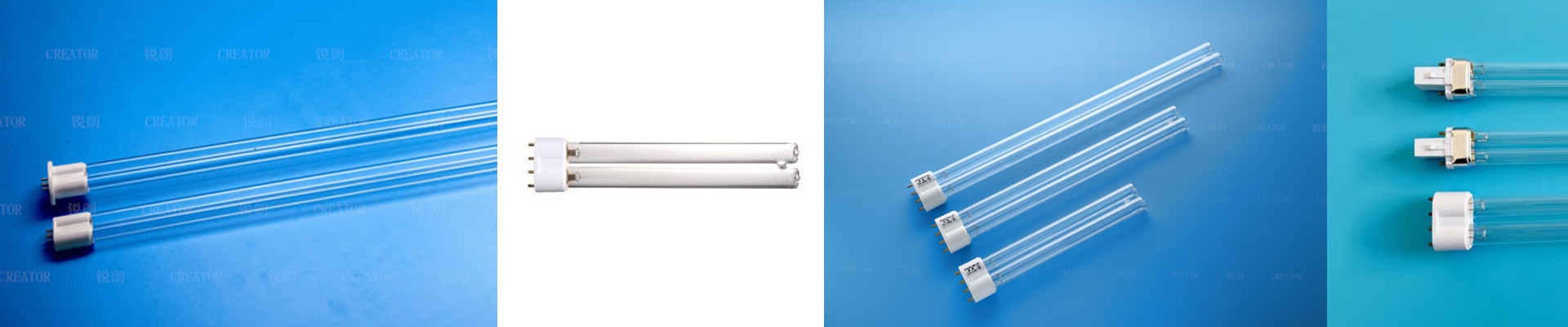

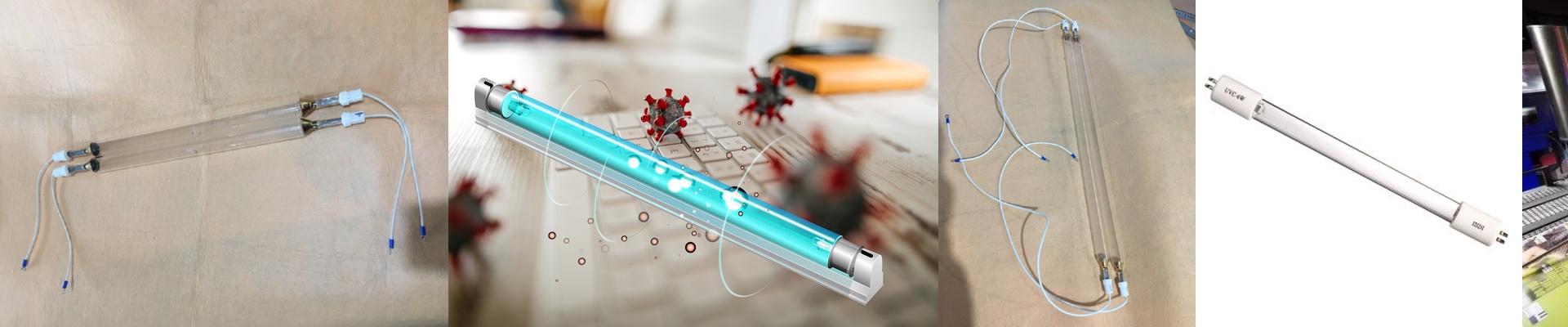

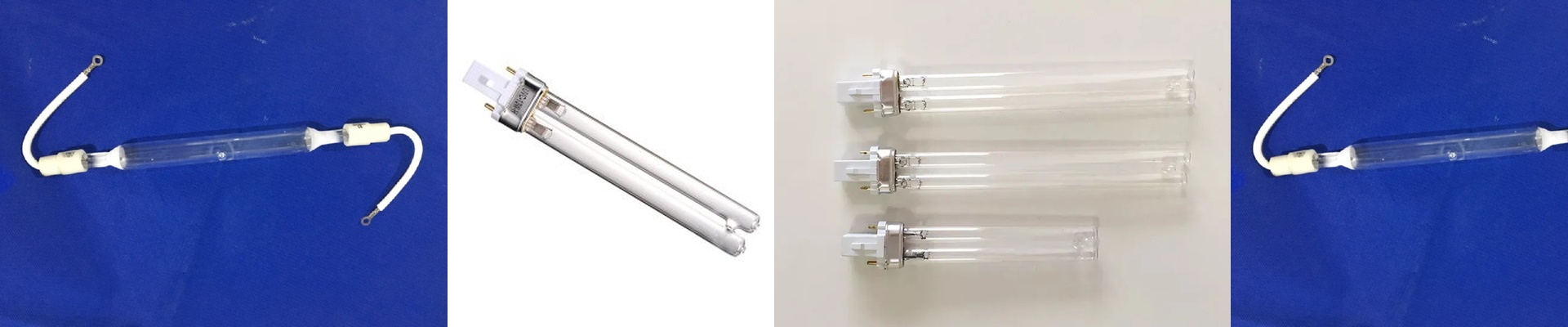
Out on the press, a gorgeous print only happens when the UV energy hits the mark—precisely. We build our lamps around a 365nm spectral peak because that’s the wavelength that consistently lights off the photoinitiators in offset, flexo, and screen inks. The cross-linking happens without hedging your bets. What actually matters under the hood A 365nm peak isn’t a marketing tag—it’s a real output, shaped by the lamp’s arc design, dopants, and reflector geometry. We aim for high peak irradiance at the substrate—typically 800–1200 mW/cm² depending on lamp length and reflector setup—so you cure in one pass. Power density is tuned to match line speed, and output stability stays within ±2% over the life of the lamp. That keeps density and adhesion consistent, job after job. The reflector uses a dichroic coating to pass 365nm and bounce back excess IR, cutting heat load on thin films and heat-sensitive substrates. Why this approach holds up on the floor Flashy work is only as good as the cure energy behind it. With a true 365nm peak, you get faster throughput without overcuring: pigments stay true, surface cure is even, and adhesion holds on coated papers, foils, and plastics. A stable irradiance profile across the web helps you avoid mottle, pinholes, and tack issues that creep in when energy drifts. Energy use stays predictable, and lamp replacement intervals stretch out—less downtime, fewer maintenance hours. The practical details you can’t skip Match lamp length, arc gap, and end-of-life behavior to your curing module and airflow. Check reflector focal distance and the cure window your ink needs—over-focusing can spike substrate temperature, and under-focusing can leave the surface tacky. Make sure electrical compatibility is nailed at the socket: ignition voltage and operating current have to line up with the power supply. Treat UV output like any consumable. Schedule periodic radiometer checks so you catch output decay before it shows up as defects on press.
인쇄 현장에서 품질이 뛰어난 인쇄 결과는 UV 에너지가 정확히 목표에 도달할 때만 가능합니다. 당사는 램프를 365nm 스펙트럼 피크를 기준으로 설계하는데, 이는 옵셋, 플렉소, 스크린 잉크 내 포토이니시에이터를 일관되게 활성화하는 파장이기 때문입니다. 크로스링킹 과정은 불확실성 없이 이루어집니다.
실제로 중요한 핵심 사항
365nm 피크는 마케팅 문구가 아니라 램프의 아크 설계, 도펀트, 그리고 반사경 형상에 의해 결정되는 실제 출력입니다. 기판 표면에서 높은 피크 조도를 목표로 하며, 램프 길이 및 반사경 설정에 따라 일반적으로 800–1200 mW/cm² 범위에서 한 번에 경화가 가능하도록 설계됩니다. 출력 밀도는 라인 속도에 맞춰 조정되며, 램프 수명 동안 출력 안정성은 ±2% 이내로 유지됩니다. 이는 작업마다 밀도와 접착력을 일정하게 유지합니다. 반사경에는 365nm 파장은 통과시키고 과도한 IR은 반사하는 이크로익 코팅이 적용되어 박막 또는 열에 민감한 기판의 열 부하를 줄입니다.
이 접근법이 현장 조건에서 안정적인 이유
작업 품질은 경화 에너지의 정확성에 달려 있습니다. 실제 365nm 피크를 사용하면 과도한 경화를 방지하면서 처리 속도를 높일 수 있습니다. 피그먼트 색상은 변하지 않고, 표면 경화가 균일하며, 코팅된 용지, 호일, 플라스틱에서도 접착력이 유지됩니다. 웹 전체에 걸친 안정적인 조도 프로파일은 에너지 변동으로 인해 발생할 수 있는 얼룩, 기공, 끈적임 문제를 방지하는 데 도움을 줍니다. 에너지 소모는 예측 가능하며 램프 교체 주기가 연장되어 가동 중지 시간과 유지보수 시간을 줄입니다.
꼭 확인해야 할 실무 사항
램프 길이, 아크 간격, 수명 종료 시 특성을 경화 모듈과 공기 흐름 조건에 맞춰 조정하십시오. 반사경의 초점 거리와 잉크가 필요로 하는 경화 창(cure window)을 점검해야 하며, 초점이 지나치게 모이면 기판 온도가 급격히 상승하고, 초점이 부족하면 표면이 끈적일 수 있습니다. 소켓에서 점화 전압 및 동작 전류가 전원 공급 장치와 호환되는지 반드시 확인해야 합니다.
UV 출력은 소모품과 동일하게 관리해야 하며, 주기적인 방사선 측정기를 사용한 점검을 계획하여 출력 저하가 인쇄 품질 저하로 나타나기 전에 조기에 확인하십시오.