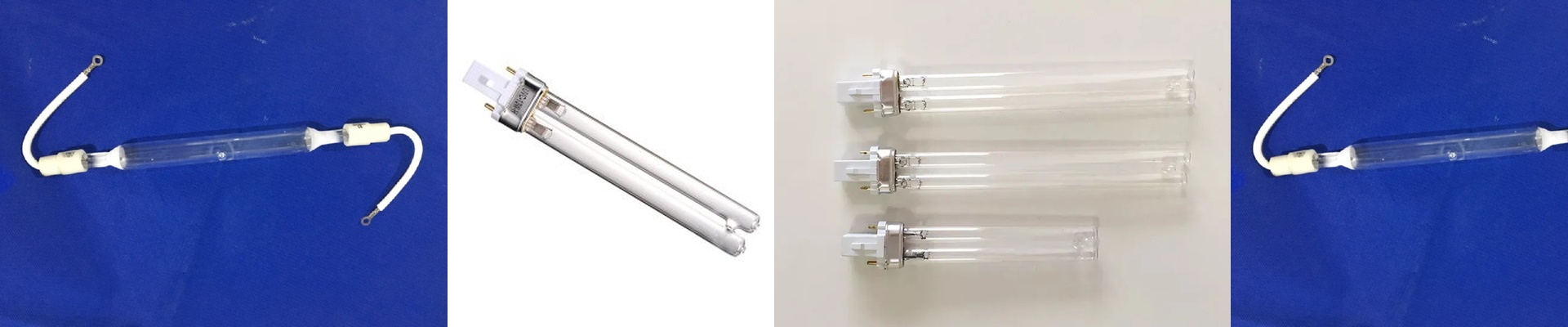


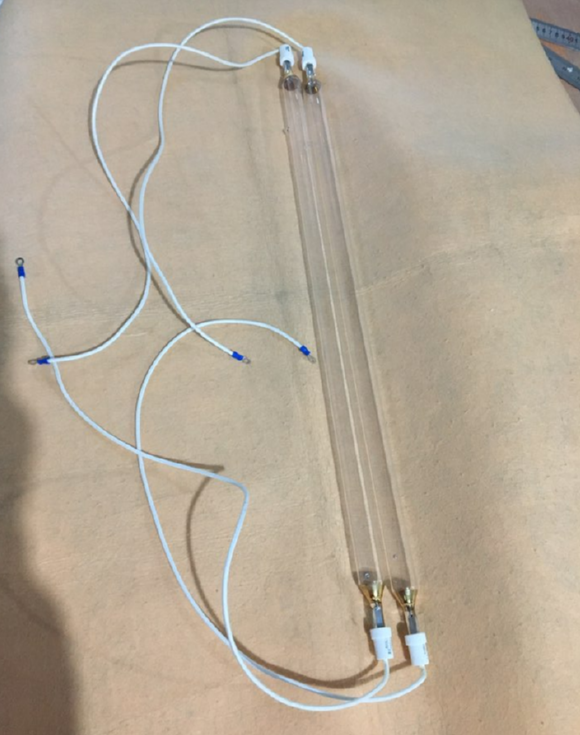
Making Mercury UV Tubes That Actually Last
If you’re in industrial printing, you know the drill. You need your inks and coatings to snap-cure the second they hit the substrate. No smudging, no delays, just a perfect finish while the line is moving at full speed. That all comes down to how much ultraviolet energy you can push into the material.
The Balancing Act: Power vs. Life
Here is the thing about mercury tubes: they hit those sweet spots at 254nm and 365nm that make the magic happen. We spend a lot of time dialing in the wattage and voltage so the light actually punches through thick layers of ink. But there is a catch. It’s tempting to crank the power to the max to speed up your production line. You can do it, sure. But you’ll notice the light fading much faster. It’s a simple trade-off:push it harder, and the tube dies sooner.
Why the Build Matters
We use high-purity fused quartz for the glass. Why? Because cheap glass clouds up or “solarizes” when it’s blasted with UV radiation. You don’t want your tubes looking foggy after a few weeks. Then there are the electrodes. We use tungsten to stop “sputtering.” If you’ve ever seen a dark, metallic film build up on the inside of a tube, that’s sputtering. It kills your light output. We tweaked the geometry of the electrodes to stop that buildup from happening, which means your light stays bright and steady for thousands of hours.
Keeping Things Cool (and Clean)
These are designed to be simple drop-in replacements for your current arrays. No fuss. But a quick tip:**keep your reflectors clean.**If they’re covered in dust, you’re basically throwing away 20% of your energy. It’s a waste. Also, remember that these lamps get incredibly hot. Make sure your cooling fans are actually moving enough air. If the quartz gets too hot and then hits a cold spot, it can crack from thermal shock. Nobody wants that. At the end of the day, we just focus on the physics. When the wiring is right and the ballast is tuned, you get a consistent cure every single time. Your ink stays put, your adhesion is solid, and you can actually trust your equipment.