


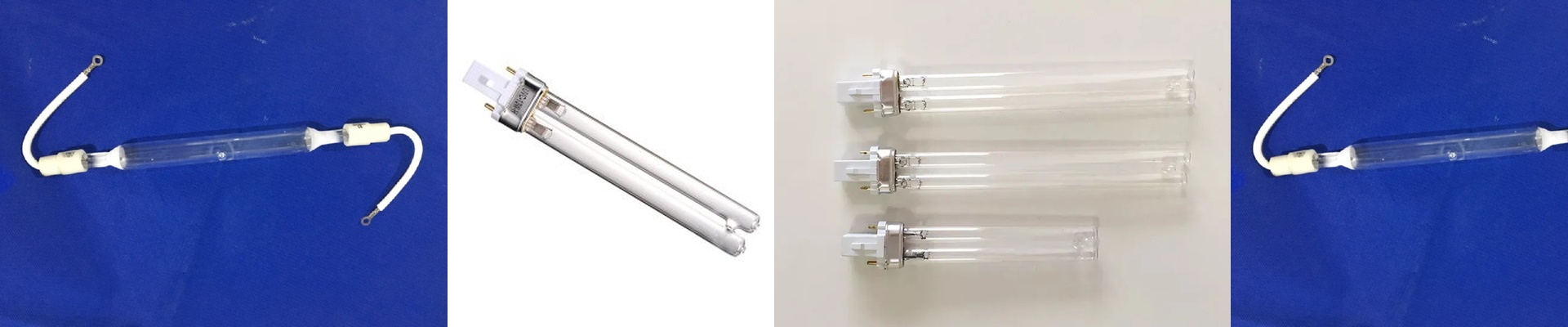
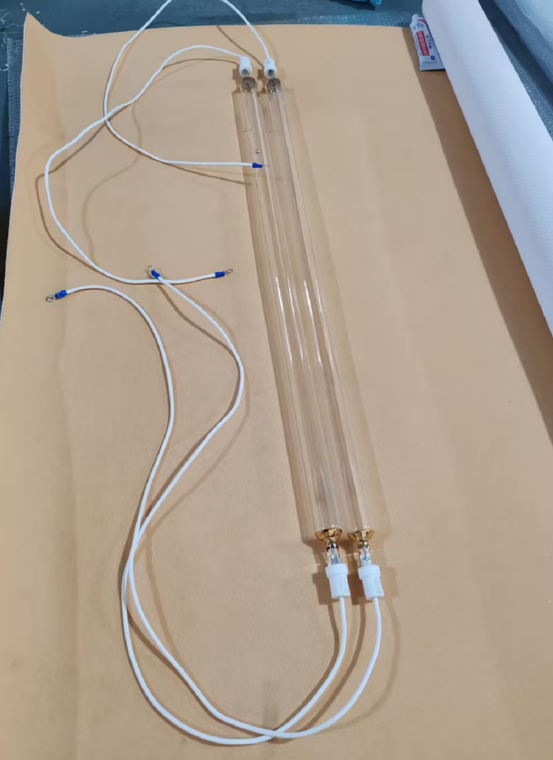
Let’s Talk About the 120W/cm Mercury UV Lamp
We built our standard mercury UV lamps at 120W/cm for a pretty simple reason: most small-to-medium print shops are stuck between a rock and a hard place. You either pay a fortune for a top-tier system or settle for something that barely works. We wanted to hit that sweet spot. This wattage gives you plenty of UVC and UVB punch to get your inks curing properly, but it doesn’t require you to rip out your entire power supply and start over. It just works.
The Heat Factor
Here is the thing about packing that much energy into such a small space—it getshot. That’s the trade-off for getting your ink tack-free in a flash while the substrate is flying down the conveyor. It’s fast. Really fast. But if your cooling fans are choked with dust or your airflow is blocked, you’re asking for trouble. Heat kills electrodes. Do yourself a favor: give your heat sinks a quick check every few months. It takes two minutes and saves you from the headache of a premature burnout.
How it Actually Works
Inside the lamp, we’re using a mercury-discharge arc to get that short-wave radiation you need. Once you flip the switch, the lamp hits two main peaks: 254nm and 365nm. Think of it as a two-pronged attack. The 254nm wave handles the surface, making sure everything is dry to the touch. Meanwhile, the longer waves dive deeper to make sure the ink actually bonds to the material. No peeling, no smudging.
Real-World Printing
I’ve talked to too many shop owners who are tired of “custom” lamps that cost a kidney and take three weeks to ship. That’s why we standardized this 120W/cm spec. It’s designed to be a drop-in replacement for a ton of different setups. You can experiment with new ink styles or weird patterns without spending a fortune on some proprietary piece of hardware. One last tip? Keep your voltage steady. Voltage spikes are the fastest way to kill these tubes, so keep an eye on your power.